Cardamom, Mace, and a Pinch of Black Pepper: The Old-World Spices Showing Up in Your Favorite Modern Cakes
Walk into most American bakeries today and you'll find the usual suspects: vanilla, cinnamon, maybe a little nutmeg around the holidays. But something is shifting. Slowly, almost sneakily, a different kind of flavor is finding its way into layer cakes, loaf cakes, and celebration tiers across the country. Cardamom. Mace. Saffron. Black pepper. Spices that feel exotic on paper but are, in fact, deeply rooted in America's own baking past.
At Sachdev Bakery & Cake House, we've been working with these ingredients for years — partly because of our heritage, and partly because we genuinely believe they make better cakes. So let's talk about where these spices came from, why they disappeared, and how you can start using them at home.
A Brief, Fragrant History Lesson
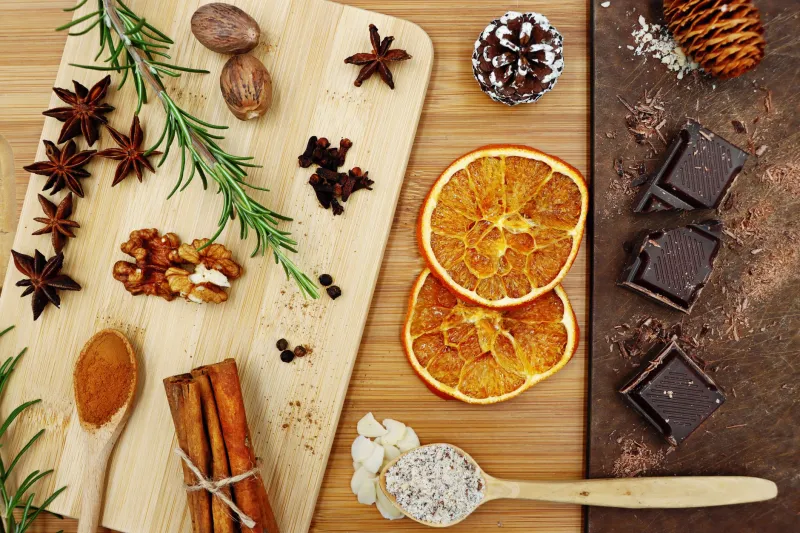
Early American baking — think colonial kitchens, 18th-century cookbooks, and the handwritten recipe cards passed between neighbors — was far more adventurous than we give it credit for. Spice trade routes meant that mace, cardamom, and clove were actually available to American households long before refrigeration changed everything. Recipes from that era called for combinations we'd now consider bold: pepper in gingerbread, rosewater in pound cake, mace in custard-filled pastries.
Vanilla, ironically, was the newcomer. As it became widely available and affordable through the 20th century, it quietly dominated. Other spices got crowded out — not because they were inferior, but because vanilla was easy, familiar, and endlessly forgiving.
What we lost in that trade-off was complexity. Depth. That thing you can't quite name when a cake tastes like more than just sweet.
The Spices Worth Getting to Know
Cardamom is probably the most accessible gateway spice for American bakers. It's floral and citrusy with a faint warmth that plays beautifully with both chocolate and fruit. Scandinavian baking has kept it alive in cardamom buns and coffee cakes, and its popularity in South Asian sweets means it's increasingly easy to find at regular grocery stores. Start by substituting a quarter teaspoon of ground cardamom for half your vanilla in a basic yellow cake. The difference is subtle but memorable.
Mace is the outer lace-like covering of the nutmeg seed, and it tastes like nutmeg's more refined cousin — warmer, slightly sweeter, and a little more complex. Colonial American bakers used it constantly. It's brilliant in cream-based frostings, in pound cake batters, and folded into a whipped filling for a layer cake. It doesn't announce itself; it just makes everything taste more intentional.
Black pepper in dessert sounds like a dare, but it's been used in European and South Asian baking for centuries. Ground fine and used in small amounts — we're talking a quarter teaspoon in a full batch — it adds a gentle, almost invisible heat that keeps sweetness from becoming one-dimensional. Try it in a honey cake or a spiced carrot cake and notice how it lifts the whole flavor profile.
Saffron is expensive, yes, but a tiny pinch goes a long way. Bloom it in warm milk before adding it to your batter and you get this gorgeous golden color and a delicate, honey-like flavor that's unlike anything else. It's spectacular in a simple white cake where it can actually shine.
Why Modern Bakers Are Coming Back to These Flavors
There's a broader cultural conversation happening around food right now — one that values origin, story, and authenticity. People want to know where their ingredients come from. They're curious about flavor in a way that goes beyond just sweet or savory. Artisanal bakers across the country are tapping into that curiosity.
We've seen it in our own custom cake orders at Sachdev Bakery & Cake House. Customers who once asked for "vanilla with vanilla frosting" are now requesting cardamom honey cake with saffron cream cheese frosting, or a spiced olive oil cake with orange blossom buttercream. The palate is evolving, and these ancient spices are perfectly positioned to meet it.
There's also something meaningful about connecting modern baking to its roots. When you add mace to a pound cake, you're doing something bakers in early America did. That continuity — that sense of a long, fragrant thread running through culinary history — is part of what makes handcrafted baking feel like more than just a transaction.
A Simple Recipe to Get You Started: Cardamom Brown Butter Loaf Cake
This is a good starting point because it's approachable, uses pantry staples, and lets cardamom do its thing without overwhelming anything.
What you'll need:
- 1 cup (2 sticks) unsalted butter
- 1 ¾ cups all-purpose flour
- 1 ½ tsp baking powder
- ½ tsp fine sea salt
- 1 ½ tsp ground cardamom
- ¼ tsp ground mace
- 1 ¼ cups granulated sugar
- 3 large eggs, room temperature
- ½ cup whole milk
- 1 tsp vanilla extract
How to make it:
Start by browning your butter in a light-colored saucepan over medium heat, stirring frequently, until it smells nutty and the milk solids turn golden. Pour it into a bowl and let it cool to room temperature — this step is worth every extra minute.
Preheat your oven to 350°F and grease a 9x5 loaf pan. Whisk together the flour, baking powder, salt, cardamom, and mace in one bowl. In another, whisk the cooled brown butter with the sugar until combined, then add eggs one at a time. Stir in the vanilla. Add the flour mixture in two additions, alternating with the milk, and mix until just combined.
Pour into your prepared pan and bake for 55 to 65 minutes, until a toothpick comes out clean and the top is deep golden brown. Let it cool in the pan for 15 minutes before turning out.
Eat it plain. Or dust it with powdered sugar. Or slice it thick and serve it with a little whipped cream. However you approach it, you'll notice the cardamom — warm, floral, quietly extraordinary.
The Takeaway
Your spice rack probably has more potential than you're giving it credit for. The spices sitting in the back — the ones you bought for one recipe and forgot about — might be exactly what your baking has been missing. Start small, stay curious, and don't be afraid to reach past the vanilla.
At Sachdev Bakery & Cake House, we believe every cake tells a story. Adding a little cardamom or mace is one way of making that story richer, deeper, and a whole lot more interesting.