From Sticky Mess to Masterpiece: What American Home Bakers Finally Figured Out About Sourdough
Something shifted in American kitchens around 2020. Flour disappeared from grocery store shelves. People had time on their hands, and suddenly, a centuries-old bread-making tradition became the hottest hobby in the country. But here's the thing — the sourdough wave didn't crash and recede the way most food trends do. It stuck around. And the bakers who stuck with it? They're getting genuinely, surprisingly good.
At Sachdev Bakery & Cake House, we've watched this shift with a lot of appreciation. Wild fermentation is at the heart of artisanal bread culture, and seeing home kitchens embrace the patience and craft it demands feels like a real cultural moment. So let's dig into what actually changed, what's still going wrong, and how to push your sourdough from decent to extraordinary.
Why This Time Feels Different
American home bakers have flirted with sourdough before. San Francisco starter kits were a thing in the '90s. But the difference between then and now is information density. YouTube channels dedicated entirely to bread scoring exist. Online communities with hundreds of thousands of members troubleshoot crumb structure at midnight. Bakers like Ken Forkish and Chad Robertson wrote books that made professional technique genuinely accessible to home cooks.
The result is a generation of home bakers who actually understand why they're doing what they're doing. They know that fermentation time affects flavor, not just rise. They understand that dough temperature matters more than almost anything else. They've learned to read their starter like a living thing — because it is one.
That conceptual shift is huge. When you understand the science, the long timelines stop feeling like inconvenience and start feeling like craft.
What Makes a Truly Great Sourdough (And What Doesn't)
Here's where we have to get honest. Not all sourdough is created equal, and the gap between a trendy loaf and a genuinely excellent one is wider than most people realize.
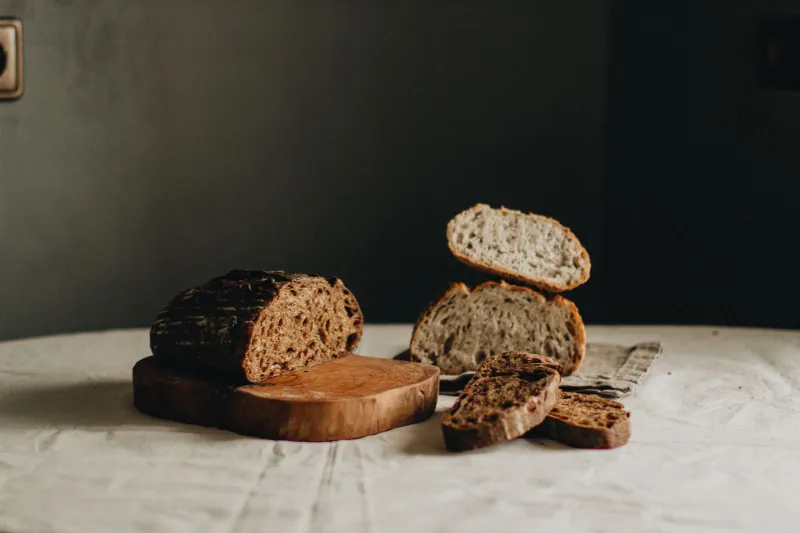
Professional bakers will tell you the same thing: a great sourdough has complexity. The sourness should be nuanced — a gentle tang, maybe a little yogurt-like brightness — not a face-puckering punch of acidity. The crust should shatter when you cut it. The crumb should be open but not gummy, with irregular holes that speak to proper fermentation and shaping. And the flavor should linger after you swallow, evolving as the loaf cools and the starches settle.
A loaf that photographs beautifully but tastes mostly like flour? That's a starter problem, a fermentation problem, or both.
The biggest tell, according to experienced artisan bakers, is what happens the day after baking. A well-fermented sourdough actually improves overnight. The flavors deepen, the crumb firms up to the perfect chew, and the crust, if stored right, maintains that satisfying snap. If your loaf tastes better fresh out of the oven but gets dull by morning, your fermentation probably didn't go far enough.
The Starter: Where Everything Begins (and Often Goes Wrong)
Your starter is a living culture of wild yeast and bacteria. It needs food, warmth, and consistency. Simple enough in theory. In practice, it's where most home bakers stumble.
Common mistake #1: Feeding on a rigid clock instead of reading activity. Your starter doesn't care that it's 8 a.m. It cares whether it's hungry. Learn to feed it when it's peaked and just starting to fall — that slightly domed, bubbly surface that tells you fermentation is active and ready. If you're feeding a starter that's already collapsed and smells like acetone, you're behind.
Common mistake #2: Using tap water without thinking about it. Chlorinated tap water can inhibit your wild yeast. In most American cities, that chlorine content is significant enough to matter. Filter your water, or let tap water sit uncovered for a few hours before using it. Small adjustment, real difference.
Common mistake #3: Keeping your starter too cold. A starter stored in a 65°F kitchen ferments much more slowly than one in a 75°F kitchen. If your home runs cool — especially in winter — your starter will seem sluggish, and you might mistakenly think something's wrong. Try keeping it near your oven or on top of your refrigerator where it's slightly warmer.
Long Fermentation: The Part Busy Bakers Resist (But Shouldn't)
Here's the counterintuitive truth about sourdough and modern life: the long fermentation actually makes it more compatible with a busy schedule, not less.
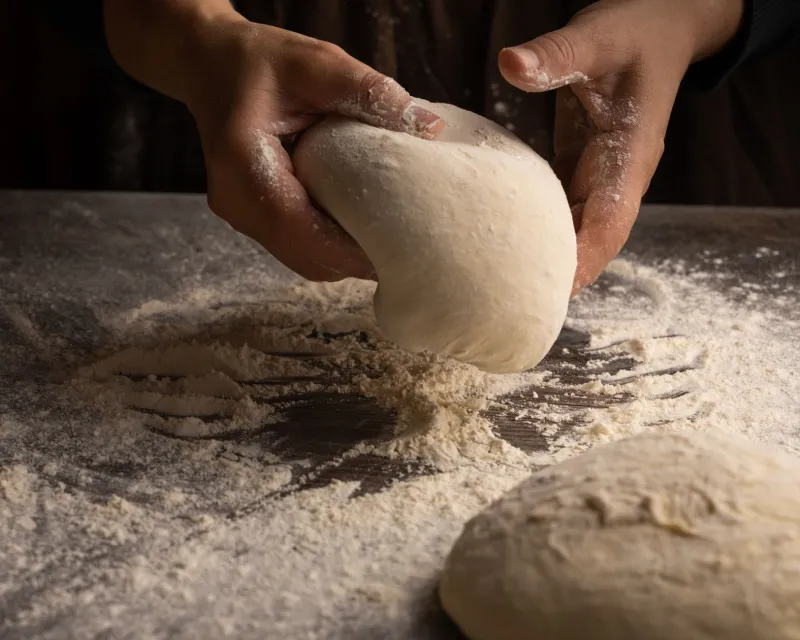
Cold-proofing your shaped loaves in the refrigerator overnight means you can mix dough on a Tuesday evening, do your stretch-and-folds while watching TV, shape it before bed, and bake it Wednesday morning before work. The hands-on time is maybe 30 minutes spread across an evening. The rest is the refrigerator doing the work.
That extended cold fermentation isn't just convenient — it's where flavor lives. The slow, cool environment allows organic acids to develop gradually, producing that complex tang that separates a great sourdough from a mediocre one. It also makes the dough easier to score, because a cold, firm loaf holds its shape on the way into the oven.
The bakers who struggle with sourdough are often the ones trying to rush it. They bulk ferment for three hours at room temperature, shape, and bake same-day. The bread rises. It might even look pretty. But the flavor is flat, the crumb is tight, and they wonder what they're doing wrong.
Slow down. The bread knows what it's doing.
Troubleshooting the Most Common Crumb Problems
Dense, gummy crumb: Usually underfermentation. Your dough didn't have enough time or warmth to develop properly. Try extending your bulk ferment by 30-minute increments until you see the dough increase by about 50-75% and feel airy when you handle it.
Overly sour, almost unpleasant tang: Overfermentation, or a starter that's too acidic. Try using a smaller percentage of starter in your recipe (10-15% instead of 20%), which slows the process and mellows the acidity.
Flat loaf that spreads sideways: Shaping issue or weak gluten development. Make sure you're building enough surface tension when shaping, and consider adding a few extra sets of stretch-and-folds during bulk fermentation.
Pale, soft crust: Your oven isn't hot enough, or you're not trapping steam properly. A Dutch oven is your best friend here — preheat it in a 500°F oven, load your cold dough straight from the fridge, and bake covered for the first 20 minutes.
The Payoff Is Real
We say this at Sachdev Bakery & Cake House a lot: the best baking happens when you stop fighting the process and start working with it. Sourdough teaches that lesson better than almost anything else. It rewards patience, attention, and a willingness to learn from failure.
American home bakers are finally getting that. And the loaves coming out of home kitchens right now — genuinely tangy, beautifully crusted, complex in flavor — are proof that the renaissance is the real thing.
Keep feeding your starter. Keep baking. You're closer to a great loaf than you think.