Good Things, Slow Baked: Why the Best Flavors You'll Ever Taste Were Worth the Wait
We live in a culture that celebrates speed. Same-day delivery. Instant everything. And honestly, there's a version of baking that fits right into that world — box mixes, rapid-rise yeast, cakes decorated and boxed in under an hour. That version of baking exists, and it fills a need.
But it doesn't taste like what we make at Sachdev Bakery & Cake House.
What we make takes longer. Sometimes a lot longer. And the reason isn't stubbornness or nostalgia — it's chemistry, craft, and a deep respect for what happens to simple ingredients when you give them enough time to become something extraordinary.
Time as an Ingredient
Most people think about baking ingredients in terms of what goes into the bowl: flour, butter, eggs, sugar, leavening. But there's an ingredient that never makes the label — one that costs nothing and changes everything. That ingredient is time.
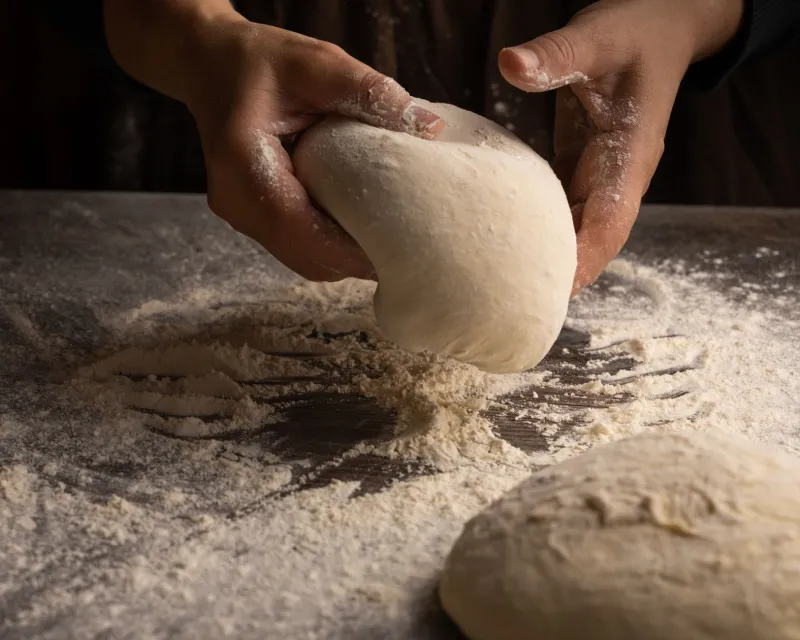
When dough rests, enzymes get to work breaking down starches and proteins in ways that create flavor compounds your palate recognizes as depth, complexity, and that certain something you can't quite name but absolutely notice. When a cake cools and sits overnight, its moisture redistributes, its crumb firms to the ideal texture, and the flavors — vanilla, butter, whatever fruit or chocolate you've folded in — knit together into something more cohesive than the sum of their parts.
This isn't a metaphor. It's actual biochemistry. And once you taste the difference, it's very hard to go back.
Cold Fermentation and What It Does to Bread
Let's start with dough, because this is where the concept of aging shows up most dramatically in the baking world.
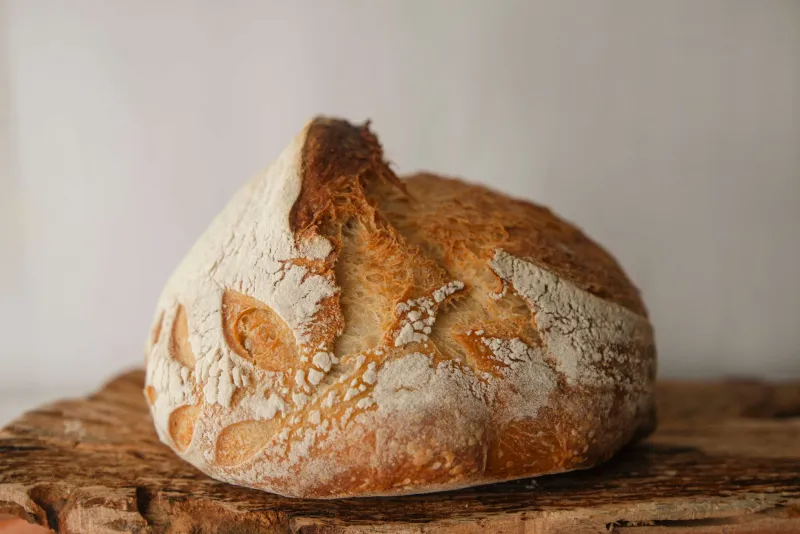
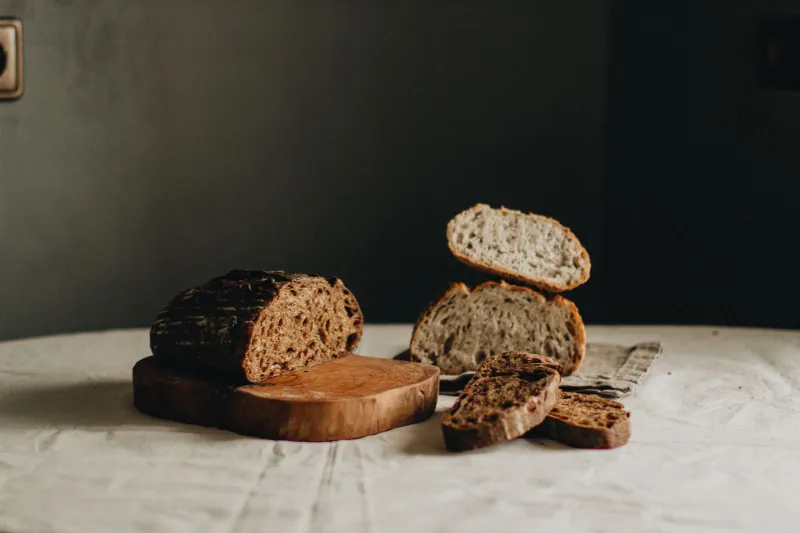
When bread dough ferments at refrigerator temperature over an extended period — anywhere from overnight to several days — the wild yeast and bacteria present in the dough work slowly, producing a range of organic acids and flavor compounds that simply don't have time to develop in a fast, room-temperature proof. The result is bread with a flavor profile that's layered and nuanced: a little sweet from the caramelized crust, a gentle tang from the fermentation, a wheaty richness in the crumb that lingers after you swallow.
At Sachdev Bakery & Cake House, cold fermentation isn't a technique we use occasionally — it's a philosophy. We believe the oven is the last step, not the defining one. The defining step happens in the hours before, when the dough is quietly doing the work that can't be rushed.
Compare that to a loaf made with rapid-rise yeast and baked same-day. It rises beautifully. It smells wonderful coming out of the oven. But cut it the next morning and it's already staling, the crumb is tight, and the flavor is one-dimensional. Speed cost it something it can't get back.
Aged Flour: The Detail Most Bakers Skip
Here's something that surprises a lot of people: flour itself benefits from aging.
Freshly milled flour contains carotenoid pigments that, while nutritious, can inhibit gluten development and produce a slightly gummy, yellowish crumb. Given time to oxidize — either through natural aging or, in commercial settings, through controlled processes — flour develops stronger gluten networks and produces bread with better structure and a cleaner, more neutral flavor that lets everything else shine.
This is why heritage grain bakers often talk about milling timing. It's why some artisan bakeries are particular about flour sourcing and storage. The ingredient you start with isn't static — it changes over time, and understanding that change is part of working at a high level.
For home bakers, the practical takeaway is simpler: properly stored all-purpose or bread flour that's a few weeks old will often perform better than a bag you opened yesterday. Let it breathe a little. It's not just sitting there doing nothing.
Why Yesterday's Cake Is Often Better Than Today's
This one surprises people every time we mention it, but we stand by it completely: many of our cakes taste better the day after they're baked.
Here's what's happening. When a cake comes out of the oven, it's still in flux. The crumb is slightly soft and open, the flavors are bright but sharp, and the moisture hasn't had time to distribute evenly through the layers. If you're eating it warm, you're catching it at a moment that's exciting — but not necessarily its best.
Overnight, something settles. The starches in the crumb retrograde slightly, firming the texture to that ideal bite that holds up under a fork without crumbling. The fat from the butter coats the crumb more evenly. Vanilla deepens. Chocolate rounds out. A lemon cake that tasted a little harsh right out of the oven tastes balanced and bright the next morning.
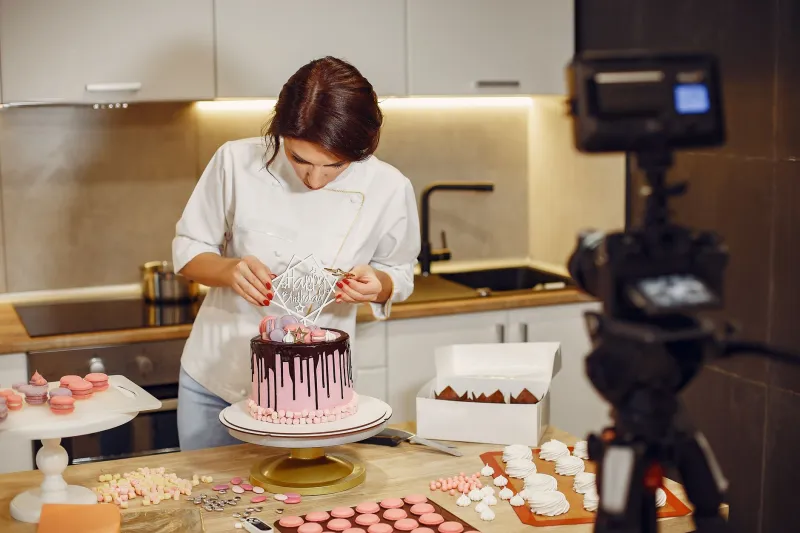
This is why, at Sachdev Bakery & Cake House, we build our production timelines with resting in mind. A celebration cake that's picked up the morning of an event has had time to settle into itself. It cuts cleanly. It tastes like we intended it to taste — not like it was rushed to meet a deadline.
Fast vs. Slow: An Honest Comparison
We're not here to tell you that fast baking is bad. There are genuinely good quick breads, same-day muffins, and cookies that are best eaten still slightly warm. Speed serves certain baked goods well.
But for the category of things we care most about — the breads with character, the cakes built for milestone moments, the pastries that make people close their eyes when they take a bite — slow is almost always better.
Fast baking gives you product. Slow baking gives you flavor.
Fast baking is efficient. Slow baking is intentional.
Fast baking can be replicated by a machine. Slow baking requires a baker who understands what's happening and knows when to intervene and when to leave well enough alone.
Patience Is a Skill
One of the things we love most about artisan baking is that it demands patience in a way that most modern food production doesn't. You can't microwave your way to a well-fermented loaf. You can't speed up the overnight rest of a celebration cake. You can't skip the aging process and expect the same result.
At Sachdev Bakery & Cake House, we think of patience as a skill — something that's developed over time, practiced deliberately, and built into every timeline we set. When a customer orders a custom cake for a birthday or wedding, they're not just ordering ingredients assembled into a shape. They're ordering the hours that went into planning the flavor, resting the layers, and letting everything come together the way it was meant to.
That's what handcrafted means to us. Not just made by hand — made with time.
The Slow Bake Payoff
If you take one thing from everything we've said here, let it be this: the next time you bake something you really care about, build in more time than you think you need. Cold-proof your dough overnight. Let your cake rest before you frost it. Taste it the next day and compare.
We'd bet you'll taste the difference. And once you do, you'll understand why we've never been in a hurry.