Why Your Weekend Loaf Might Be the Most Radical Thing on Your Kitchen Counter
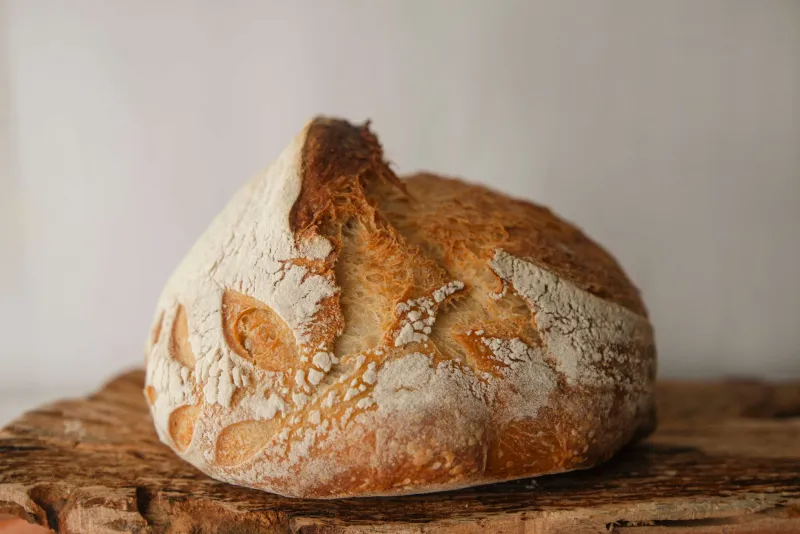
Somewhere in a Mason jar on a kitchen counter in Boise, Idaho, a sourdough starter named Gerald has been alive for three years. His owner feeds him every Friday, bakes with him every Sunday, and has given jars of his offspring to at least six neighbors. Gerald is not unusual. Across the United States, millions of Americans have quietly become bread people — not because bread was trendy, but because something about the slowness of it felt necessary.
This is the story of why heritage bread baking is having its moment, why that moment might actually stick, and what it means for the way we think about food, community, and craft.
The Long Road Away From Real Bread
For most of human history, bread was a living thing. It was made with wild yeast, fermented slowly, shaped by hand, and baked in communal ovens or over open fires. Regional traditions developed over centuries — the dense, dark ryes of the Upper Midwest carried over by Scandinavian and German immigrants, the crusty round miche loaves of French-influenced Louisiana, the cornbread traditions of the South that predate European settlement entirely.
Then came the 20th century. Commercial yeast made bread fast. Industrial mills stripped whole grains down to shelf-stable white flour. The Chorleywood bread process — developed in England in the 1960s and widely adopted by American industrial bakers — made it possible to produce a loaf in under two hours using high-speed mixing, chemical additives, and no meaningful fermentation time at all.
The bread was cheaper, softer, and lasted longer on the shelf. It was also, many would argue, barely bread in any meaningful ancestral sense.
By the 1980s, most Americans had lost their living connection to bread-making entirely. It was something factories did.
What Changed — And Why It's More Than a Pandemic Hobby
Yes, the 2020 lockdowns sent sourdough starter searches through the roof. Flour flew off shelves. Bread baking Facebook groups gained hundreds of thousands of members seemingly overnight. But to chalk up the heritage bread revival to pandemic boredom is to miss something deeper that was already underway.
The real shift started earlier, driven by a growing awareness of what we'd lost. Artisanal bakeries — small, craft-focused operations — had been quietly multiplying in American cities since the late 1990s. Bakers like Chad Robertson in San Francisco and others across the country were publishing books and building followings around the idea that bread made with wild yeast, whole grains, and long fermentation wasn't just better tasting — it was a different category of food entirely.
Nutritionally, the science began to back this up. Long fermentation breaks down phytic acid in grains, making minerals more bioavailable. It partially pre-digests gluten proteins, which many people find easier to tolerate. The complex flavor compounds that develop during a 12- to 24-hour ferment simply cannot be replicated by fast commercial processes. This isn't marketing language — it's biochemistry.
People tasted the difference, read about the difference, and started wanting to make that difference themselves.
Regional Traditions Getting a Second Life
One of the most exciting dimensions of this revival is how geographically specific it's becoming. Home bakers aren't just making generic sourdough boules — they're digging into the bread traditions that belong to their particular corner of America.
In the Pacific Northwest, bakers are working with heritage wheat varieties like Red Fife and Turkey Red, grown by small regional mills and prized for their nutty, complex flavor profiles that modern wheat simply doesn't have. In the South, there's renewed interest in old-fashioned salt-rising bread — a uniquely American tradition that uses bacterial fermentation rather than yeast, producing a distinctive, almost cheesy tang that you won't find anywhere else on earth.
In the Upper Midwest, descendants of Scandinavian immigrants are reviving rye traditions: dense, moist, naturally fermented loaves that last for weeks and taste better on day five than day one. And in communities across the Southwest, Indigenous bread traditions — like the fry bread and pueblo oven breads that long predate European contact — are being documented, celebrated, and reclaimed by younger generations.
At Sachdev Bakery & Cake House, this regional specificity resonates deeply with us. Craft isn't generic. It's rooted in place, in memory, in the particular combination of ingredients and techniques that a community developed over generations. That's worth preserving.
What Artisanal Bakers Know That Industrial Processes Don't
Spend any time talking to a baker who works with heritage methods and a few things become clear pretty quickly.
First: time is an ingredient. Not a constraint, not a cost — an actual component of what makes the bread what it is. A sourdough loaf that ferments for 18 hours in a cool environment develops flavor that a loaf made in two hours simply cannot have. Rushing fermentation is like turning up the heat to make a stew cook faster. You'll get something edible, but it won't be the same thing.
Second: flour matters enormously. Most home bakers and even many commercial operations work with commodity flour milled from a handful of wheat varieties optimized for yield and shelf life. Heritage grain varieties — the ones that farmers grew before industrial agriculture standardized everything — often have lower yields but dramatically more complex flavor. Regional mills like Anson Mills in South Carolina and Janie's Mill in Illinois are making these grains accessible again, and the difference in a finished loaf is remarkable.
Third: the baker's hands and judgment can't be automated. Wild yeast starters behave differently depending on the season, the humidity, the temperature of your kitchen, even the mineral content of your water. Learning to read your dough — to know when it's ready to shape not because the timer went off but because it feels right — is a skill that takes months to develop and years to refine.
Starting Your Own Heritage Bread Practice
If you're curious about getting into bread baking with any seriousness, here's what we'd actually recommend:
Start a starter. A sourdough starter is just flour and water, left out to capture wild yeast from the air. Mix equal parts by weight, feed it daily, keep it somewhere warmish, and within five to seven days you'll have something alive and active. There are excellent free guides online, and the starter you build will outlast any cookbook you own.
Find a local mill if you can. Freshly milled flour from heritage grains is genuinely different from what sits on grocery store shelves. Check your local farmers market — you might be surprised what's available.
Embrace the long timeline. Mix your dough in the evening, let it ferment in the fridge overnight, shape it in the morning, and bake it that afternoon. The hands-on time is maybe 30 minutes total. The waiting does the work.
Accept bad loaves gracefully. Every experienced bread baker has a catalog of disasters — gummy interiors, collapsed crusts, loaves that came out looking like frisbees. This is how you learn. The bread is patient with you.
Bread as a Practice, Not a Product
What strikes us most about the heritage bread movement is how it reframes the relationship between the baker and the baked thing. A loaf made with a living starter, heritage flour, and a full day of slow fermentation isn't just food. It's a record of decisions, of attention, of care.
That's what we try to bring to everything we make at Sachdev Bakery & Cake House. Whether it's a custom celebration cake or a simple loaf of bread, the thing that separates handcrafted from mass-produced isn't just ingredients or technique — it's the fact that a person stood there and paid attention, from beginning to end.
Gerald the sourdough starter in Boise understands this. And honestly, so does everyone who's ever pulled a homemade loaf out of the oven and felt unreasonably proud of themselves.
You should be proud. You made something real.