Sweet Chemistry: Building Cake Flavor Combinations That Actually Sing Together
There's a moment every home baker knows well: you're standing in the kitchen, flour on your apron, staring at three different frosting options and wondering which one actually belongs on the cake you just pulled from the oven. It's not always obvious. And honestly? Even experienced bakers second-guess themselves sometimes.
At Sachdev Bakery & Cake House, flavor pairing is one of the most thoughtful parts of our custom cake process. It's not just about picking flavors that sound good together on paper — it's about understanding how they interact once they're layered, chilled, and sliced into. There's real craft behind it, and a little bit of science too.
Let's break it all down.
Why Flavor Pairing Is More Than Just Taste
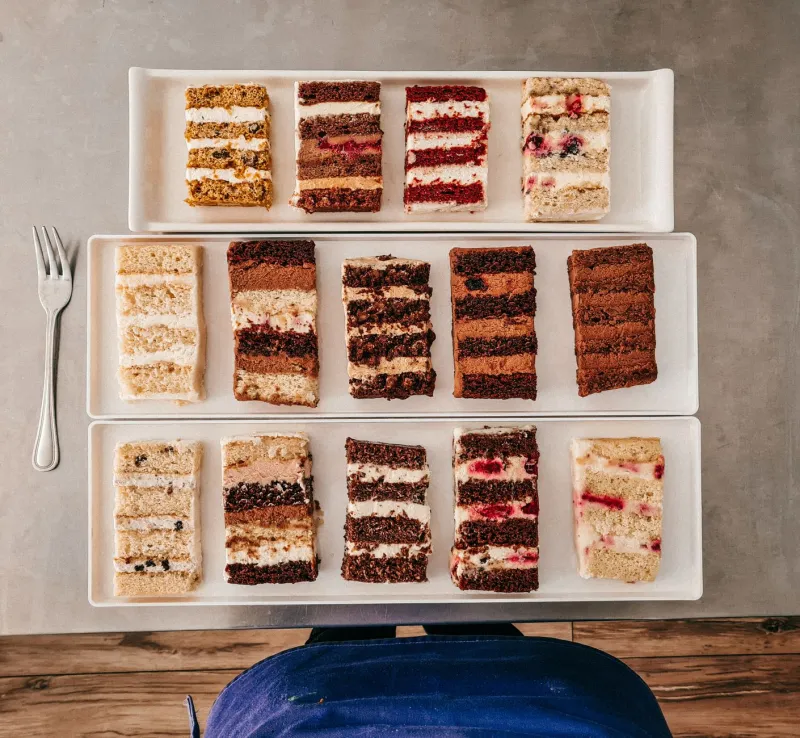
Flavor is multidimensional. When you bite into a slice of cake, you're not just experiencing sweetness — you're picking up on texture, temperature, fat content, acidity, and aroma all at once. A good pairing accounts for all of these elements working in harmony.
Think about the classic combination of lemon cake with a blueberry compote filling and cream cheese frosting. The tartness of the lemon brightens the richness of the cream cheese, while the blueberry adds a jammy, slightly sweet counterpoint. Each component is doing a job. Nothing is redundant. That's the goal.
Flavor professionals often talk about the concept of contrast and complement. Some pairings work because the flavors are similar in profile and reinforce each other — vanilla cake with vanilla bean buttercream, for instance, creates a clean, elegant experience. Other pairings work because they're different — the tension between bitter dark chocolate and sweet raspberry is exactly what makes that combination so satisfying.
Classic Pairings That Have Stood the Test of Time
Certain combinations have earned their place in the bakery canon for a reason. They're reliable, crowd-pleasing, and genuinely delicious when executed well.
Vanilla Cake + Salted Caramel Filling + Brown Butter Buttercream This is one of our personal favorites. Vanilla is a blank canvas, warm and inviting, but it can lean a little flat on its own. Salted caramel brings depth and a savory edge that wakes everything up. Brown butter buttercream ties it together with a nutty, toasty quality that makes every bite feel intentional.
Chocolate Cake + Raspberry Jam + Dark Chocolate Ganache The acidity in raspberry cuts through the richness of chocolate without fighting it. Layer that with a glossy ganache and you've got something that feels almost grown-up — sophisticated but still deeply satisfying.
Carrot Cake + Pineapple Cream Filling + Classic Cream Cheese Frosting Pineapple is a bit of a secret weapon here. It adds moisture and a tropical brightness that elevates what might otherwise be a very dense cake. Cream cheese frosting brings it back to earth with its gentle tang.
Almond Cake + Cherry Preserves + Whipped Mascarpone This is a European-inspired pairing that's been growing in popularity at American celebrations. Almond and cherry have a natural affinity — they share aromatic compounds that make them feel made for each other. Mascarpone keeps it light.
Unexpected Combinations Worth Trying
Some of the most memorable cakes we've made at Sachdev Bakery & Cake House started with a client saying, "This probably sounds weird, but..." Spoiler: it usually didn't sound weird at all. It sounded like an adventure.
Chai-Spiced Cake + Honey Filling + Cardamom Cream Cheese Frosting Warm spices layered with floral honey and the perfume of cardamom? It's cozy and complex, and it makes people stop mid-bite and ask what they're eating.
Brown Butter Vanilla Cake + Mango Curd + Coconut Whipped Cream Tropical and rich at the same time. The mango curd is bright and fruity, and the coconut whipped cream keeps the frosting from feeling too heavy. Perfect for summer celebrations.
Espresso Cake + Salted Caramel + Tahini Buttercream Okay, this one genuinely surprised us the first time we tested it. Tahini has a slightly bitter, nutty depth that plays beautifully against the sweetness of caramel and the boldness of espresso. It's the kind of cake that makes people think they're more sophisticated than they realized.
A Simple Framework for Experimenting at Home
If you want to start building your own pairings confidently, here's the approach we recommend:
Step 1: Anchor Your Flavor Choose one dominant flavor that will define the cake. This is usually the cake layer itself — chocolate, vanilla, citrus, spice. Everything else should support it, not compete.
Step 2: Add a Bridge Your filling is the bridge between the cake and the frosting. It should connect the two without being so bold that it takes over. A fruit curd, a flavored ganache, or a simple jam can serve this role beautifully.
Step 3: Choose Contrast or Complement for the Frosting Ask yourself: do I want the frosting to echo the cake's flavor, or push back against it? Echoing creates elegance and cohesion. Contrast creates excitement and complexity. Neither is wrong — it depends on the mood you're going for.
Step 4: Consider Texture A very dense, moist cake often benefits from a lighter frosting (whipped cream, Swiss meringue buttercream). A lighter, airier cake can handle something richer, like American buttercream or ganache.
Step 5: Taste as You Go This sounds obvious, but it's genuinely the most important step. Flavors change when they're combined and chilled. Always do a mini taste test before committing to a full cake.
How We Approach Flavor at Sachdev Bakery & Cake House
When a client comes to us for a custom order, one of the first things we talk about is flavor architecture — not just "what do you like," but "what do you want this cake to feel like?" A retirement party cake should feel different from a wedding cake, even if the same person loves chocolate.
We also think about who's eating it. A cake for a kids' birthday party calls for familiar, bright flavors that kids will actually eat. A cake for a 50th anniversary might lean more sophisticated — something with layered complexity that rewards adult palates.
Flavor pairing is ultimately a form of storytelling. Every combination we choose is saying something about the occasion, the person being celebrated, and the memory being made. That's what makes it more than just baking.
And that's why we love it so much.