Frosting Isn't Everything: The Forgotten Regional Cakes That Tell America's Sweetest Stories
Ask someone to picture an American cake and you'll probably get one of two images: a towering white wedding cake or a glossy chocolate birthday creation ringed in buttercream swirls. And look, we love both of those. We make both of those. But America's cake heritage is so much richer, stranger, and more delicious than that narrow picture suggests.
Across this country, generations of bakers — grandmothers, church ladies, community cooks — developed cake traditions that were deeply tied to their geography, their climate, their cultural roots, and what happened to be growing in the backyard. Many of those traditions have faded quietly, passed over by the convenience of boxed mixes and the homogenizing pull of national food trends.
At Sachdev Bakery & Cake House, we think that's a genuine loss — and also a genuine opportunity. Here's a tour of some of the most fascinating regional American cake traditions that deserve a serious second look.
The Lane Cake: Alabama's Boozy, Glorious Secret
If you've read To Kill a Mockingbird, you've technically already met the Lane Cake. Harper Lee mentions it in the novel, and it's a fitting symbol of Southern hospitality at its most extravagant.
Originating in Clayton, Alabama in the late 1800s and credited to Emma Rylander Lane, this cake is built from delicate white layers held together by a rich, whiskey-spiked filling packed with pecans, raisins, and coconut. The frosting is typically a fluffy white meringue-style icing, but it's the filling that's the real star — intensely sweet, chewy, and complex in a way that no simple buttercream can compete with.
Lane cake was traditionally made for celebrations — Christmas, weddings, homecomings — partly because the bourbon was considered a preservative, allowing the cake to be made days in advance and actually improve with time. It's a cake that rewards patience, which is something we deeply respect.
Stack Cakes: Appalachian Ingenuity at Its Finest
In the mountains of Kentucky, Tennessee, and West Virginia, wedding cakes looked nothing like what you'd find in a city bakery. They were stack cakes — thin, almost cookie-like layers of gingerbread or sorghum-spiced dough, stacked up with dried apple filling between each layer.
The tradition goes that neighbors and community members would each bring a layer to the wedding, and the height of the cake reflected how loved and well-connected the family was. A tall stack cake was a community achievement.
These cakes aren't frosted in any traditional sense. The filling slowly softens the layers over time, and the whole thing is meant to be made a day or two before serving. The flavor is deeply autumnal — spiced, fruity, earthy — and completely unlike anything in the mainstream American dessert vocabulary. It's humble in presentation and extraordinary in taste.
The Smith Island Cake: Maryland's Official State Dessert
Tucked out in the Chesapeake Bay, Smith Island is a tiny, isolated community with a cake tradition that's become legendary. The Smith Island Cake is made up of anywhere from eight to fifteen (yes, fifteen) ultra-thin yellow cake layers, each separated by a thin coat of fudgy chocolate frosting.
The result is a stunning cross-section when sliced — a striped tower of alternating cake and chocolate that looks almost architectural. Watermen's wives on the island originally made these cakes to send with their husbands on crabbing and oystering trips, where the dense, layered structure held up well over days at sea.
Maryland officially designated the Smith Island Cake as its state dessert in 2008, which feels like long-overdue recognition for something this spectacular. The technique requires patience and a very steady hand — each layer is baked separately, which means a fifteen-layer cake involves fifteen individual baking rounds. It's the kind of project we genuinely love.
Shoofly Pie's Cake Cousin: Pennsylvania Dutch Molasses Cake
Most people know shoofly as a pie — that sticky-sweet, molasses-heavy Pennsylvania Dutch classic with a crumb topping. But the same flavor profile translates beautifully to cake form, and in certain communities across Lancaster County and the surrounding region, molasses-based cakes have been part of the baking tradition for centuries.
These cakes are dense, dark, and deeply spiced — more akin to a gingerbread than anything you'd find in a modern bakery case. They reflect the practical, waste-nothing ethos of Pennsylvania Dutch cooking: molasses was inexpensive, shelf-stable, and provided both sweetness and moisture. The result is something that feels almost medieval in the best possible way, grounded and warming in a way that refined sugar simply can't replicate.
Why This Matters for Your Next Custom Cake
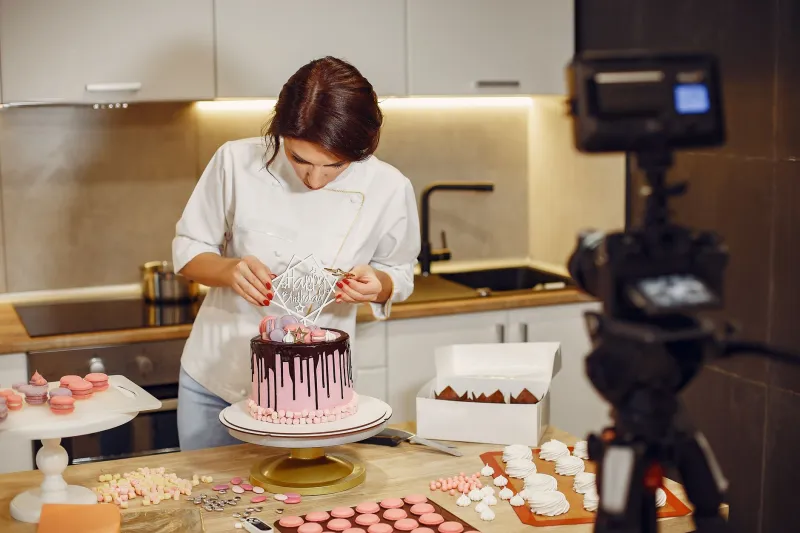
We share all of this not just as a history lesson, but as an invitation. When customers come to us at Sachdev Bakery & Cake House to design a custom celebration cake, the conversation almost always starts with aesthetics — tiers, colors, flowers, themes. And that's wonderful. We love that part.
But some of our most meaningful custom cakes have started with a different kind of conversation: Where are you from? What did your grandmother make? What flavor takes you straight back to your childhood kitchen?
A Lane cake for a family reunion in honor of a grandmother from Alabama. A stack cake for an Appalachian heritage celebration. A Smith Island-inspired layered cake for a couple from the Chesapeake region. These aren't just desserts — they're edible family history, and there is nothing more personal or memorable to put at the center of a celebration.
America's regional cake traditions are a living archive of who we are and where we came from. Some of those traditions nearly disappeared. But they don't have to — not as long as bakers keep asking the right questions and customers keep bringing their stories to the table.
Your family's cake story is worth telling. We'd love to help you tell it.