Beyond Vanilla: How Global Spices Are Rewriting the American Cake Story
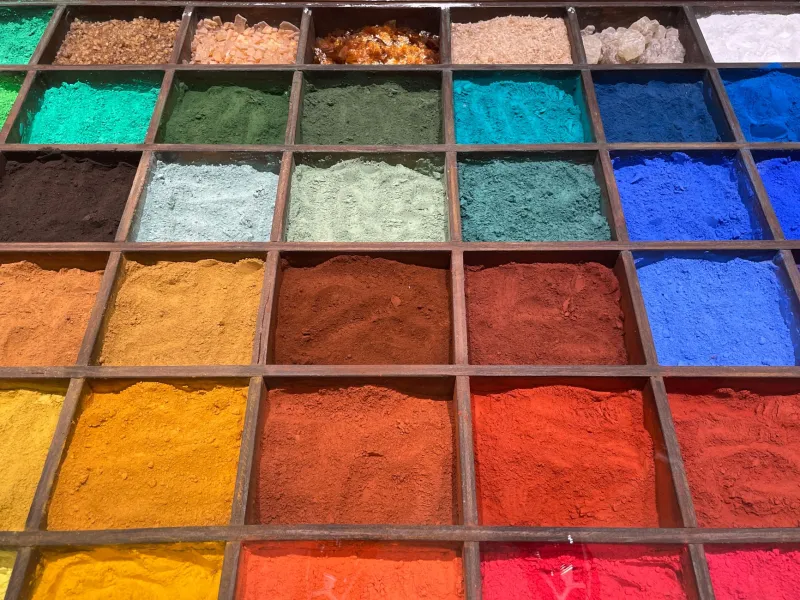
For a long time, the flavor profile of a classic American celebration cake was pretty predictable. Vanilla buttercream. Maybe a hint of almond. If you were feeling adventurous, a dash of lemon zest. There's nothing wrong with any of that — those flavors are beloved for good reason. But something has been quietly shifting in bakeries across the country, and honestly, it's one of the most exciting things to happen to cake in a generation.
Bakers are opening their spice racks — really opening them — and asking a question that sounds simple but turns out to be pretty profound: What if cake could taste like anywhere in the world?
The Moment Everything Changed
At Sachdev Bakery & Cake House, we've always drawn on a rich tradition of South Asian spice knowledge. Cardamom in our milk cake. A whisper of saffron in our celebration layers. These weren't experimental choices — they were inheritances, flavors carried forward from generations of bakers who understood that spice isn't just seasoning, it's storytelling.
But lately, we're noticing something broader happening across the American baking landscape. Bakers who grew up surrounded by strictly Western dessert traditions are now reaching for turmeric, black sesame, sumac, and za'atar. They're steeping chai spice blends into their buttercreams. They're folding miso paste into caramel fillings and discovering that fermented, salty depth makes a chocolate cake taste more like chocolate than anything else they've tried.
What changed? A few things at once.
America's Palate Grew Up
The short answer is that American food culture has genuinely evolved. A generation raised on global cuisines — through immigration, travel, food media, and the sheer diversity of what's available at any decent grocery store — now brings those reference points to every meal, including dessert.
When someone walks into a bakery today and asks for a cake that feels like their grandmother's kitchen in Oaxaca, or like a chai stall in Kolkata, or like a Persian New Year table, they're not asking for a gimmick. They're asking for something real. And the best bakers are meeting that request not by appropriating flavors carelessly, but by learning them with genuine curiosity and respect.
That distinction matters a lot. There's a difference between throwing matcha into a box mix because it looks pretty on Instagram and actually understanding why Japanese wagashi desserts use restraint, bitterness, and umami in ways that can completely transform a Western cake formula. The bakers doing this well are the ones who treat unfamiliar ingredients as teachers, not props.
Unexpected Discoveries That Stuck
Some of the most interesting flavor stories come from accidents and experiments that turned out to be revelations.
Black cardamom — smokier and more medicinal than its green cousin — showed up in a chocolate ganache filling one afternoon when someone reached for the wrong tin, and the result was so good it became a permanent menu item. Dried hibiscus flowers, steeped into a syrup and folded into cream cheese frosting, gave a birthday cake a floral tartness that cut through the sweetness in a way that made everyone stop mid-bite. Ube, the purple yam beloved in Filipino baking, went from niche specialty to one of the most requested custom cake flavors in urban American bakeries almost overnight — partly because of its stunning color, but mostly because its flavor, earthy and subtly sweet, does things to a layer cake that vanilla simply can't.
Then there's the miso caramel situation, which deserves its own paragraph. White miso stirred into a brown butter caramel produces something that tastes simultaneously ancient and futuristic — savory, nutty, complex, and deeply satisfying in a way that makes regular caramel taste a little one-dimensional by comparison. If you haven't tried it, you're missing one of the better flavor discoveries of the past decade.
What This Means for Custom Cakes
For custom celebration cakes, this shift opens up a whole new conversation between baker and customer. The old script used to go something like: chocolate or vanilla? Fondant or buttercream? Now the conversation can go somewhere much more interesting.
We've had customers come in wanting a wedding cake that honors both a Filipino and a Mexican heritage — and working out how ube and tamarind can share a tier without competing is genuinely exciting creative work. We've designed birthday cakes built around the flavors of Persian rose water and pistachio for customers whose families have been making those combinations for centuries and want to see them celebrated in a new form.
These aren't novelty orders. They're people asking a bakery to help them tell their story in sugar and flour, and that's exactly the kind of work that makes this craft worthwhile.
Getting It Right Without Getting It Wrong
A quick note on the responsibility side of all this, because it's worth saying plainly: using ingredients from cultural traditions you didn't grow up with requires some homework. It means understanding why a spice is used in its original context, not just that it's used. It means being honest with customers about what they're getting. And it means giving credit where credit is due — if a flavor profile is rooted in a specific culinary tradition, say so. Customers appreciate that honesty, and it makes the food more meaningful, not less.
The best version of this movement isn't about erasing vanilla or declaring it passé. It's about expanding the table. Vanilla still has a place — a really important one — in American baking. But it doesn't have to be the whole story anymore.
The New American Cake
If you asked someone in 1975 what an American cake tasted like, they'd probably describe something sweet, simple, and reliably familiar. If you ask that question in 2024, the honest answer is: it depends on whose American story you're telling.
And that's a genuinely beautiful thing. A country made up of people from everywhere in the world should have a dessert tradition that reflects that richness. The bakers who are doing this work — carefully, curiously, and with deep respect for the traditions they're learning from — are helping write a new chapter in what American baking can be.
At Sachdev Bakery & Cake House, we've always believed that flavor carries memory, culture, and identity. That's not a new idea for us — it's the foundation we were built on. But it's exciting to see that philosophy spreading across the whole American baking scene, one unexpected spice at a time.
Next time you're ordering a celebration cake, maybe ask your baker: what's the most interesting flavor combination you've been playing with lately? You might be surprised where the conversation goes.