When the Decoration Is Also the Dessert: How Edible Cake Toppers Finally Got Delicious
The Piece You Used to Leave on the Plate
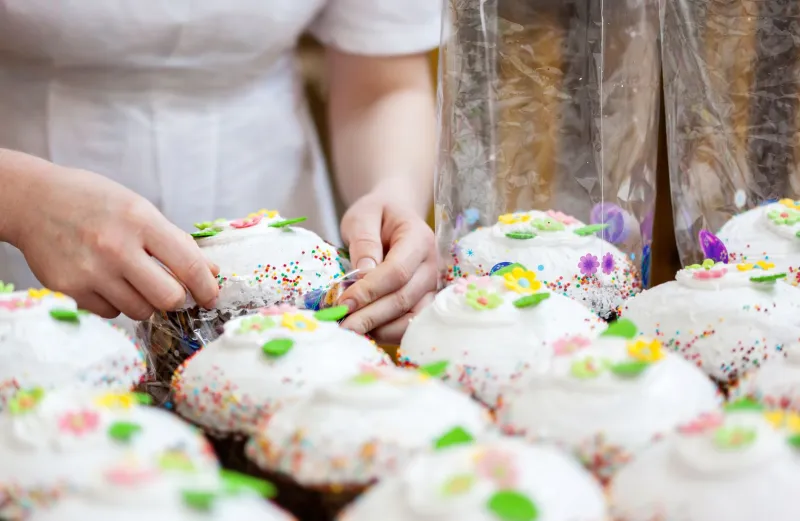
If you grew up going to birthday parties in America anytime between 1980 and 2010, you probably have a muscle memory for a very specific move: accepting a slice of cake, eating the actual cake, and leaving the fondant decoration — the little fondant bow, the sugar rose, the royal icing figure — sitting on the edge of your plate like a polite afterthought.
Nobody told you to. You just knew. It was decoration, not food. It looked like cake but it tasted like nothing, or worse, like sweetened paste. The beauty was entirely visual.
That assumption is being quietly dismantled, one sugar flower at a time.
What Changed (and Why It Took This Long)
The shift toward genuinely flavorful edible decorations didn't happen overnight, and it didn't start with customers demanding it. It started with bakers getting frustrated.
The craft side of cake decorating has always attracted people with serious technical skills — the kind of patience and precision that goes into pulling sugar into translucent petals or painting detail onto a fondant surface with a brush no wider than an eyelash. But the flavor side of those same decorations was often an afterthought, limited by what the medium could technically support.
Traditional fondant, for instance, is a sugar paste. It's extraordinarily workable — you can roll it thin, shape it, texture it, color it to match almost anything. But its flavor profile is essentially: sweet. Just sweet. The texture is dense and slightly waxy in a way that most people don't find particularly pleasant to eat.
Pastry chefs working in fine dining started solving this problem years before it reached the custom cake world. Techniques from chocolate work, pulled sugar, and confectionery began crossing over into cake decoration — not because they were trendy, but because they produced results that were both visually stunning and actually worth eating.
The knowledge took a while to filter down into the custom cake space. Now it's here, and it's changing what we do at the counter every week.
The New Toolkit: What's Actually in the Supply Closet Now
The shift shows up most clearly in materials. Here's what that looks like in practice.
Isomalt and pulled sugar. Isomalt is a sugar substitute that melts and sets with a gorgeous clarity — almost like glass. When it's worked properly, it can be shaped into delicate shards, bubbles, and abstract forms that catch light in ways that fondant never could. More importantly, when flavored — with citrus oil, a touch of hibiscus, a whisper of rose — it actually tastes like something. A shard of blood orange isomalt on a chocolate cake isn't just decoration. It's a flavor note.
Chocolate work. Tempered chocolate has been used in confectionery forever, but its application in cake decoration is more recent and genuinely exciting. Thin chocolate bark, hand-painted chocolate discs, chocolate lace — all of these bring both visual interest and real flavor to the surface of a cake. Dark chocolate with a sprinkle of fleur de sel on a caramel cake isn't garnish. It's part of the flavor architecture.
Wafer paper and rice paper flowers. These ultra-thin edible papers have transformed the sugar flower category. A skilled baker can create wafer paper flowers that look more realistic than fondant versions — the translucency mimics actual petals in a way that opaque fondant never quite achieves — and they're almost weightless on the palate. When they're brushed with flavored dust or layered with edible luster, they disappear on your tongue instead of sitting there.
Fresh and dried botanicals. This one is less about technique and more about a philosophy shift. Unsprayed fresh flowers — edible varieties like pansies, violets, and nasturtiums — bring genuine flavor (and sometimes surprising complexity) to a cake surface. Dried citrus wheels, freeze-dried berry pieces, and candied herbs do the same. These aren't new ingredients, but using them as primary design elements rather than backup garnishes is.
The Technique Behind Making It All Work
Here's the thing about edible decorations that actually taste good: they require a different kind of planning than purely visual decorations do.
When you're designing a cake decoration that's meant to be eaten, you have to think about flavor compatibility the same way you think about color compatibility. A delicate elderflower wafer paper flower might be visually perfect on a dark chocolate cake, but if the flavor is too subtle to register against that much intensity, the decoration is doing only half its job.
At Sachdev Bakery & Cake House, this means the decoration conversation happens alongside the flavor conversation, not after it. What's the cake? What are the dominant notes — fruity, nutty, floral, rich? What does the surface decoration need to add to that experience, not just visually complement it?
A lemon-lavender cake might get pressed edible flowers and a thin lavender-infused isomalt drip. A dark chocolate ganache cake might get hand-painted chocolate panels with a touch of smoked sea salt and a few candied orange peels. A vanilla bean celebration cake might get wafer paper ruffles with a light dusting of vanilla-infused luster powder.
Every element earns its place twice: once visually, once on the palate.
Why Customers Are Starting to Ask for This
The demand side of this shift is real, and it's coming from a more food-literate customer base. People who watch the Great British Bake Off, who follow pastry chefs on social media, who have eaten their way through enough tasting menus to understand that texture and flavor can coexist with beauty — they're starting to ask the question we love to hear: will the decorations actually taste good?
The answer, increasingly, is yes. Emphatically yes.
And honestly? There's something quietly satisfying about handing over a cake where nothing has to be left on the edge of the plate.